Why COVID-Conscious
Care Matters to Me
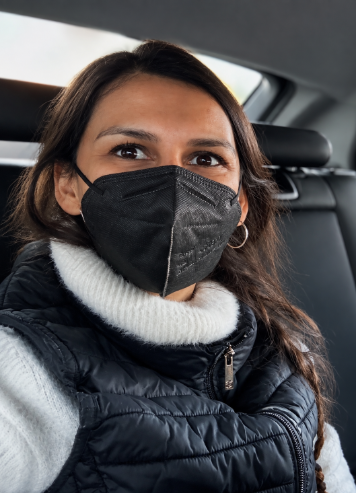
My COVID-conscious approach is shaped by lived experience.
I have experienced COVID twice, and both infections significantly affected my asthma, breathing and physical functioning. I also faced hospital treatment, multiple courses of steroids and prolonged exhaustion that left me unable to work or care for myself independently for several months. I understand what this illness can take from a person because I have lived through it.
I continue to wear a high-quality mask in indoor public spaces, on public transport and while travelling. I rarely dine indoors unless there is very good ventilation. Within my household, we have agreed precautions and a plan for illness, and I ask people before meeting whether they are experiencing symptoms.
These measures help me participate in the world while protecting the health and independence I worked hard to regain.
“For me, this is not being afraid of living. It is about preserving my ability to live.”
Why does a mask require an explanation?
"A walking stick. A hearing aid. A glucose monitor on an arm. No questions asked. So why is a mask treated differently?”
You should not have to see someone's vulnerability to respect the way they protect themselves.
As a hypnotherapist, I believe care begins with respecting people's lived experience, boundaries and choice even when their vulnerability is not visible. That is the philosophy I practise and stand by.
What This Means
in My Practice
I understand that remaining COVID-conscious can affect your relationships, work, travel and sense of belonging. You may need to miss occasions, request adjustments or maintain boundaries with people who treat your health needs as ridiculous or an inconvenience
You may also live or work with people who take different precautions from you. I recognise that not everyone has the same support, safety or control within their home, workplace or relationships.
Your Reasons
Are Valid
You do not need an underlying health condition to want to avoid COVID. You may be protecting somebody you love, trying to avoid another infection or choosing to reduce your risk based on the scientific evidence. I respect your ability to make informed decisions about your health.
Precautions Are
Part of Care
If anxiety is also part of your experience, we can explore it without making the abandonment of your precautions the goal. My role is not to decide which risks you should take, but to support choices that reflect your health, circumstances and values.
I work online. If we meet in person, you are welcome to wear a mask, and I will wear a high-quality mask too. We can discuss ventilation, physical distance and other adjustments. If either of us becomes unwell or has had a recent exposure, we can move the session online or rearrange it.
Sessions Can
Adapt to You
Sessions can also be adapted around chronic illness, pain, fatigue or other access needs. You can attend lying down, keep your camera off or take breaks. During conversational parts of a session, you may prefer to walk or move rather than remain seated.
We do not need to follow a stereotypical therapy format to build a meaningful therapeutic relationship. We can work in the way that feels safest, most accessible and most comfortable for you.

Care should adapt to the person,
not ask the person to become easier to accommodate